Mindful Travelling

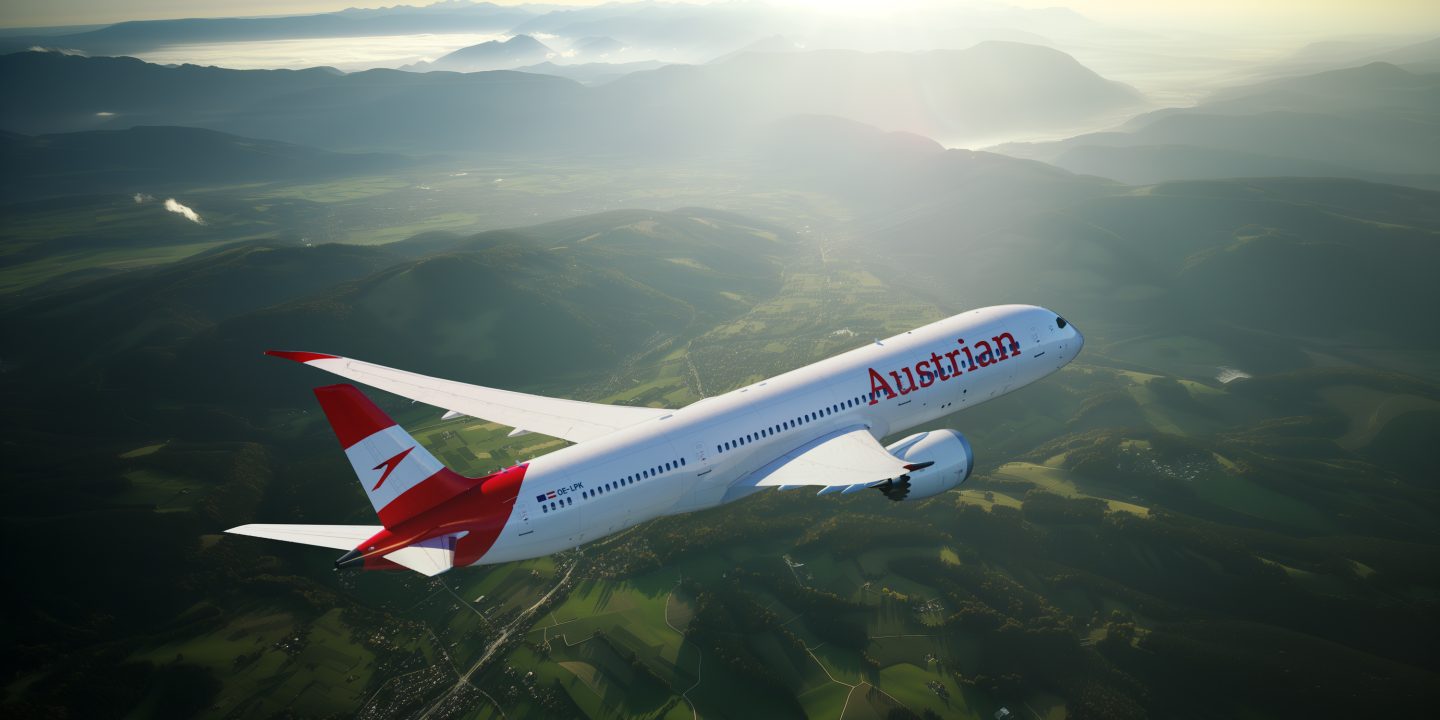
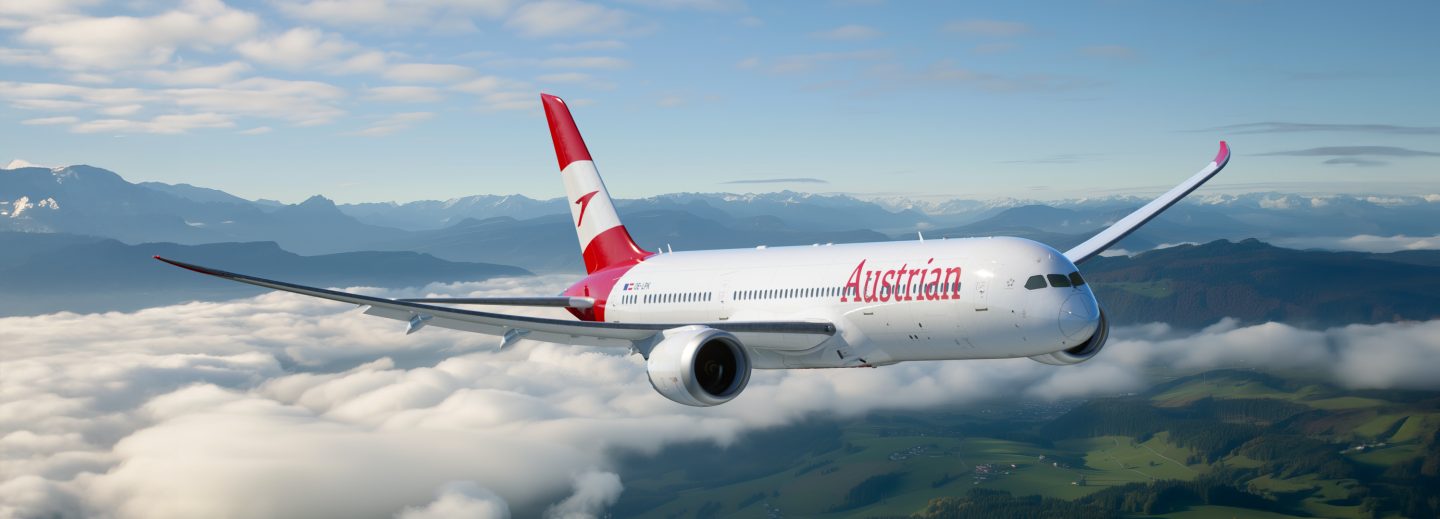
Together with the entire Lufthansa Group, Austrian Airlines has set itself ambitious goals to contribute to more sustainable flying.
null

Through CO₂ reduction measures, as well as by supporting certified climate protection projects, the company aims to achieve net-zero CO₂ emissions by 2050.

Already by 2030, the Lufthansa Group wants to halve its net CO2 emissions compared to 2019 through reduction measures and by supporting certified climate protection projects.

In addition to reducing CO₂ emissions, Austrian Airlines is increasingly implementing measures for a functioning circular economy.

We recognise the challenges of more sustainable flying and are determined to address them through continuous investment in technology and innovation.
Green Fares worldwide

Austrian Airlines, together with the Lufthansa Group, offers Green Fares, a fare that includes the full offset of individual, flight-related CO2 emissions through the use of Sustainable Aviation Fuel  (≙20% of CO2 emissions), as well as a contribution to high-quality climate protection projects (≙80% of CO2 emissions).

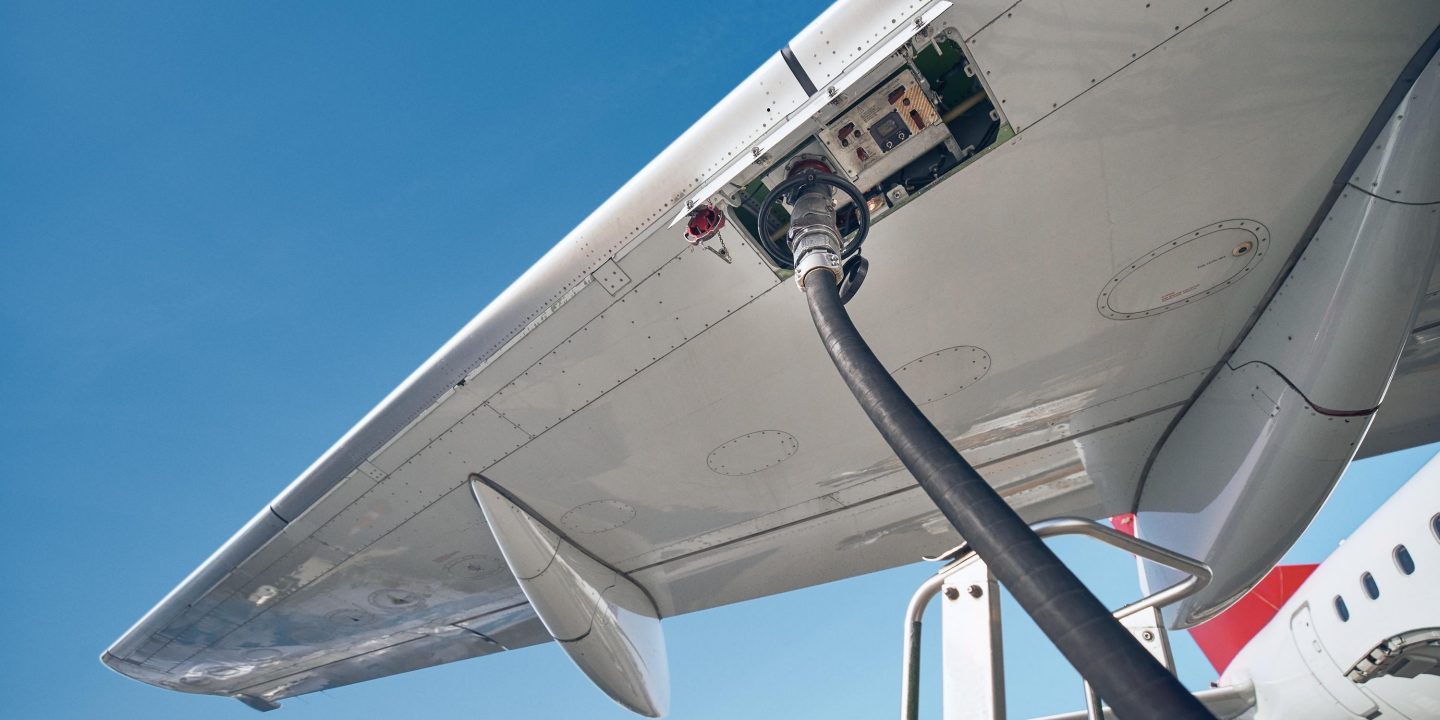
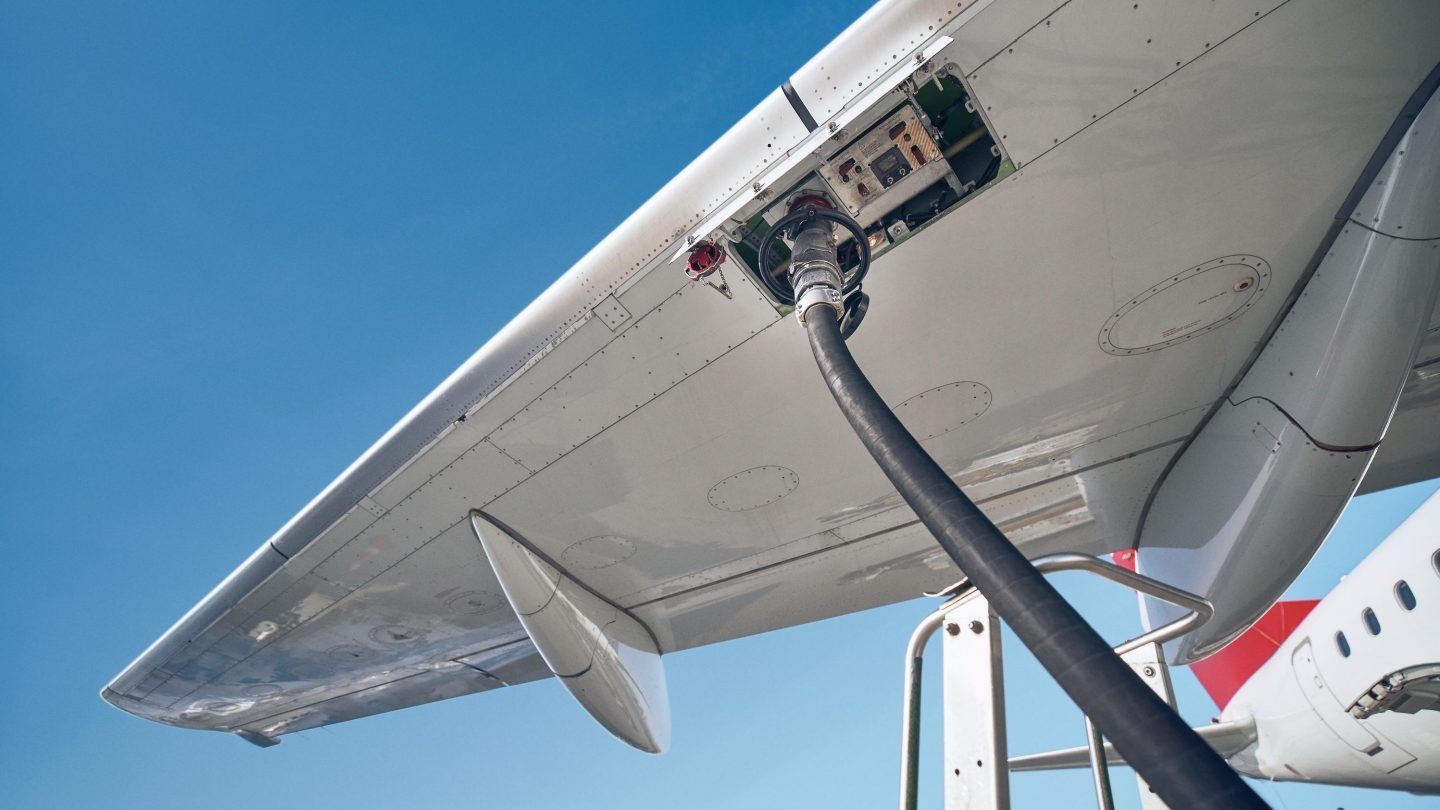
Sustainable Aviation Fuel (SAF) is not produced from fossil fuels, but rather from renewable energy sources, such as used cooking oils and fats or from agricultural waste. While SAF emits a similar amount of CO2 emissions during combustion as conventional kerosene, its lifecycle greenhouse gas emissions are at least 80% lower. To contribute to saving CO2 emissions, we calculate your fuel consumption based on the estimated CO2 emissions and ensure that exactly this amount of SAF is used on future Lufthansa Group flights. The SAF used in the Lufthansa Group's offers to customers is purchased by the Lufthansa Group in addition to the EU regulatory SAF quota of currently 2%, the costs of which are already factored into the ticket price, and is incorporated into the Lufthansa Group's flight operations within six months after the respective flight. The raw materials used to create SAF don’t take away from human or animal food and are subject to strict sustainability criteria defined in the EU Renewable Energy Directive (RED II) and the ReFuelEU Aviation Regulation which are reviewed by independent auditors. Currently, SAF represents less than 1% of total aviation fuel used worldwide and costs about three to five times more than fossil fuel. The Lufthansa Group is involved in numerous projects to ensure that sustainable aviation fuel becomes available in larger quantities as quickly as possible.

Since December 2024, we have significantly broadened our Green Fares offerings, making them available on long-haul flights across the Lufthansa Group network.
Lufthansa Group uses the quantity of SAF required to achieve the estimated CO2 reduction on the basis of a model estimate and guarantees to bring it into Lufthansa Group operations within six months after purchase.

Loading...

AeroSHARK

Since 2025, four of our Boeing 777-200ER aircraft have been equipped with AeroSHARK technology, an innovative surface film inspired by sharkskin. This micro-textured riblet film is applied to the aircraft’s fuselage and engine nacelles, reducing aerodynamic drag by optimising airflow during flight. As a result, it improves fuel efficiency, cutting fuel consumption by up to 1% per flight. Applied to four Boeing 777-200ER aircraft, the technology has the potential to reduce fuel consumption by approximately 2,600 tonnes and cut CO2 emissions by more than 8,300 tonnes over the 2.5 years during which the aircraft are planned to be in operation. That is roughly equivalent to 46 flights from Vienna to New York.

SAFt

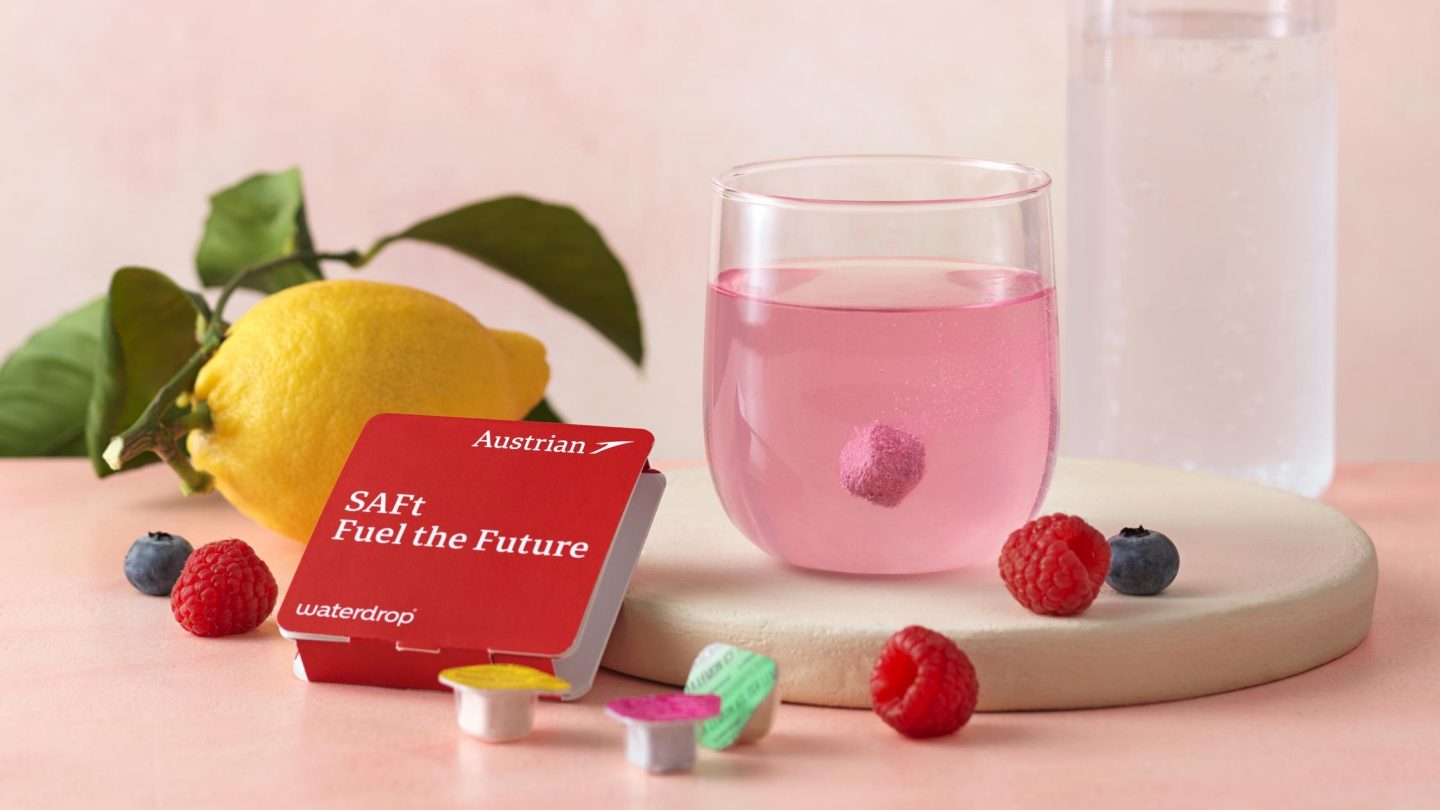
Developed exclusively in collaboration with the renowned Viennese company Waterdrop®, Austrian Airlines is proud to present SAFt, a unique microdrink part of our Melangerie summer range. More than just a refreshing drink, SAFt raises awareness about Sustainable Aviation Fuel (SAF) and gives guests the chance to contribute to flying more sustainably by making a contribution equivalent to the estimated CO2 emissions of one passenger on an average flight.
With every purchase of SAFt, passengers fund one litre of SAF, which will be used on future flights.


null
This link leads to an external website whose security and accessibility cannot be influenced by Austrian Airlines.

Melangerie 2 Go

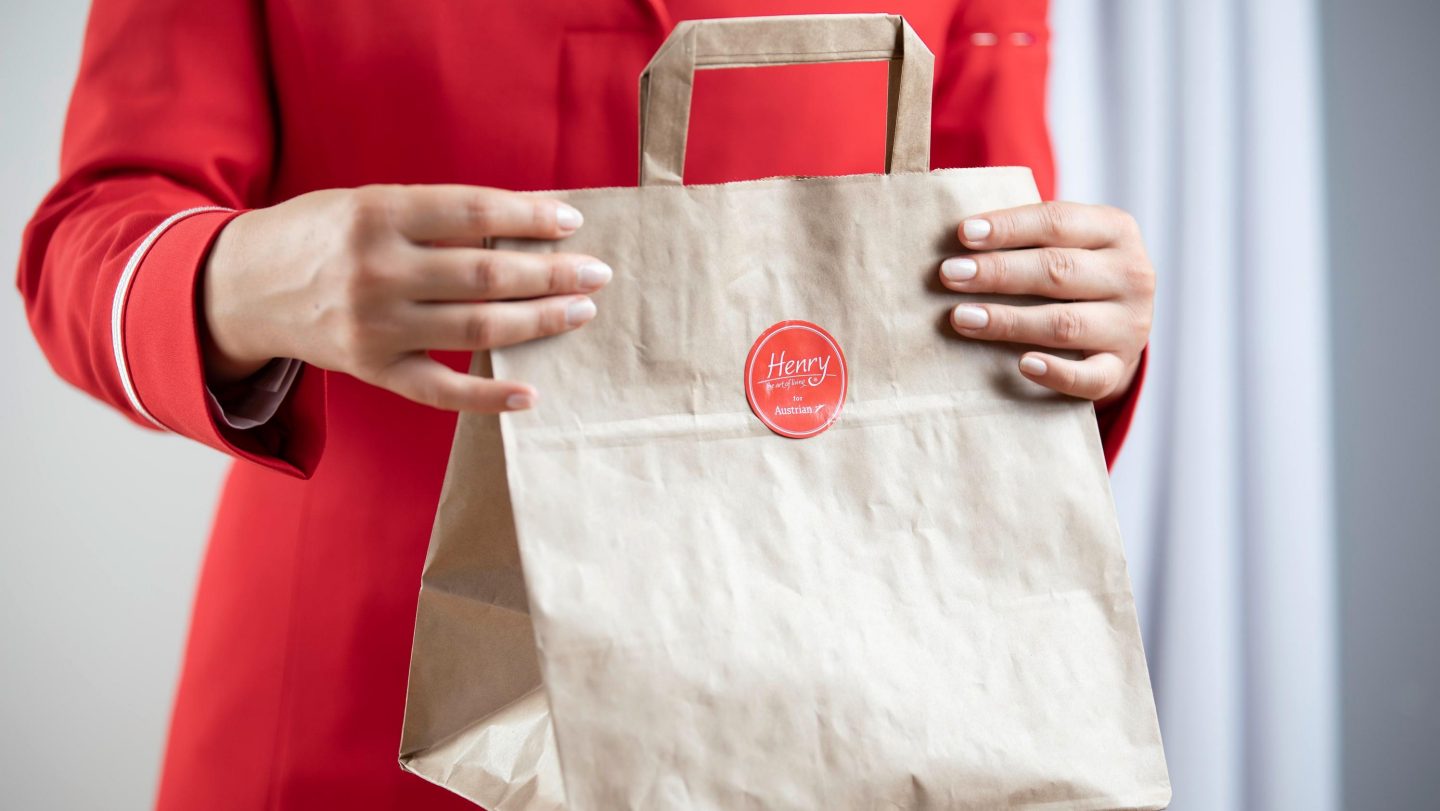
With the “Austrian Melangerie 2 Go” initiative, Austrian Airlines is taking a clear stand against food waste on board. On European flights, shortly before landing in Vienna, passengers can purchase fresh, unconsumed products from the onboard catering menu at discounted price. This programme saves approximately 200 kg of food waste every month.

AIRail: from train to plane

Under the motto “From train to flight”, we are continuously expanding multimodal travel for our guests by combining train and flight travels to make our guests' journey as comfortable and more sustainable as possible. Through our ongoing AIRail cooperation with ÖBB (the Austrian Federal Railways), we now offer more than 60 daily connections from the city centres of Linz, Salzburg, Innsbruck, Graz and Klagenfurt to Vienna Airport, connecting travellers to our global network.
In 2024, we celebrated a special milestone with the 10th anniversary of our AIRail service, ten years of linking cities to the world more sustainably.


The link will be opened in a new browser tab
This link leads to an external website whose security and accessibility cannot be influenced by Austrian Airlines.

EMAS

Austrian Airlines is EMAS certified. EMAS is a voluntary tool developed by the European Union. It helps companies assess and reduce their environmental impacts while encouraging more responsible and transparent practices across their operations. This shows our continuous commitment to the highest environmental standard. Each year, we review our environmental performance, set new initiatives, measures our progress and adjust based on the results.

As part of our renewed EMAS validation, we are publishing our Environmental Report for the 2024 reporting year, where you can find comprehensive information on our environmental progress.